
Coming home from the hospital
Care that starts soon after discharge, with a team that visits until you reach your goals.
Going home checklistConditions we treat
We care for adults recovering from an illness, injury or surgery, and for people managing a long-term condition at home. Your doctor decides what care you need. Here is how home health can help with each one.
Care that starts soon after discharge, with a team that visits until you reach your goals.
Going home checklistSurgery and injury recovery
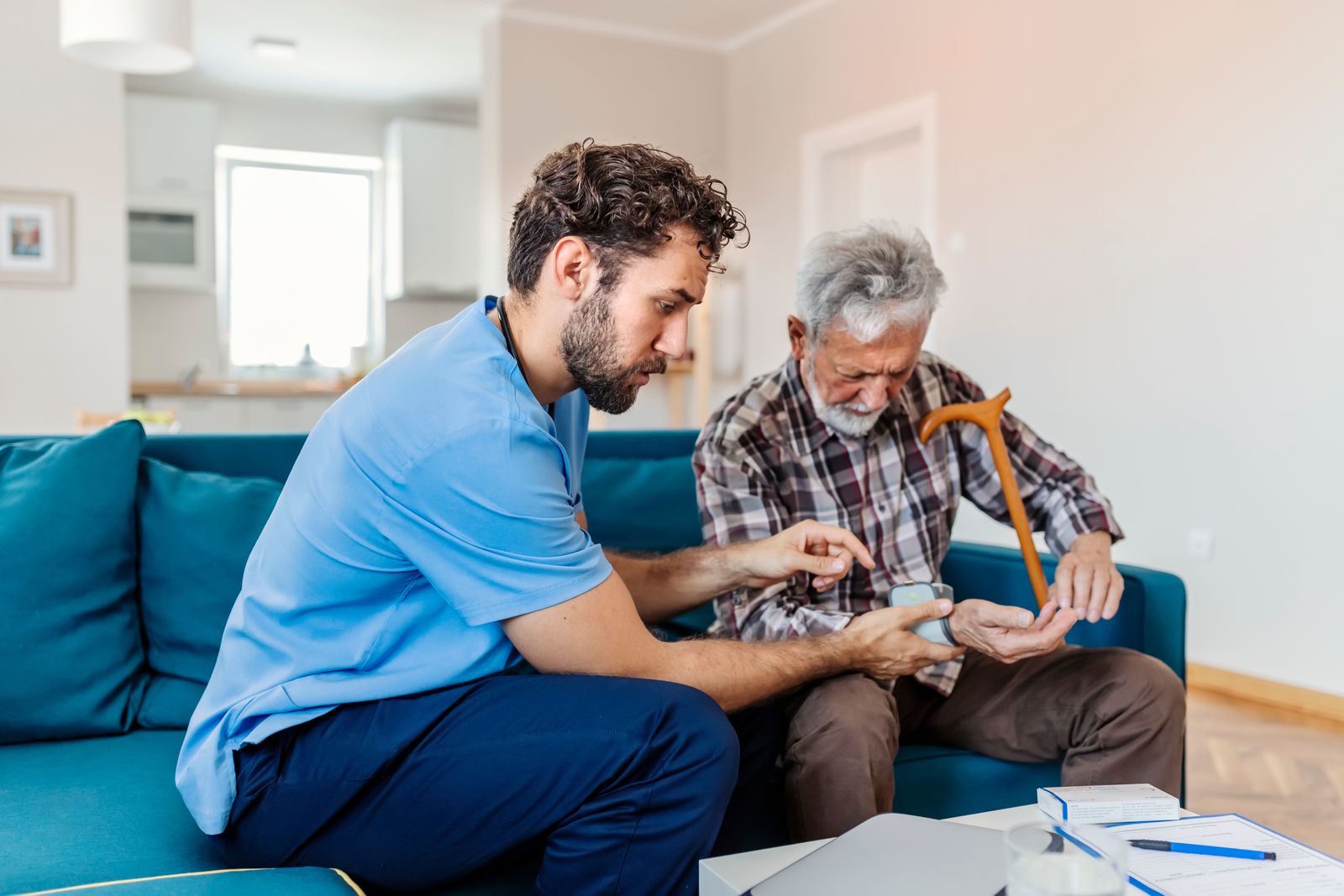
Home health can bring a nurse and therapists to your home while you heal after a joint replacement, back or spine surgery, a fracture or a fall. A nurse checks your incision and your medicines. A physical therapist works on strength, balance and walking, and an occupational therapist helps with tasks like bathing and dressing.
Heart and lung conditions
A home health nurse can check your symptoms, such as weight, swelling and breathing, review your medicines, and teach you which warning signs mean it’s time to call your doctor. For people with heart failure whose doctor orders inotrope infusions at home, BREMA nurses give the infusion and check the IV line.
Stroke and neurological care
After a stroke, home health can bring speech, physical and occupational therapists to your home. A speech-language pathologist helps with speaking, memory and swallowing. Physical and occupational therapists work on balance, walking and daily tasks, and teach family members safe ways to help.
Wounds and ostomy
A home health nurse can change dressings, check how a surgical or slow-healing wound looks at each visit, and manage a wound VAC. For a new ostomy, the nurse helps with pouch changes and skin care and keeps teaching until you or your caregiver can do it with confidence.
Diabetes and medicines
A home health nurse can teach you how to manage diabetes day to day, go over every medicine you take, and help you set up a simple routine. If you take a blood thinner such as warfarin, the nurse can check your PT/INR at home and send the result to your doctor.
Coming home from the hospital
Home health can bring a nurse to your home in the first weeks after you leave the hospital, rehab or a nursing facility, when medicines, limits and routines often change. The nurse reviews every medicine with you, explains what to watch for, and works with your doctor on one plan of care.
Going home from the hospital: a checklistCommon questions
No. Medicare does not require a hospital stay before home health. If you qualify and your doctor orders it, you can start home health from home.
Yes, if you qualify. Home health can help you learn to manage a long-term condition such as heart failure, COPD or diabetes. Your doctor reviews your plan of care at least every 60 days.
No. Coverage depends on the Medicare rules, not the diagnosis alone: you need part-time skilled care, you are homebound, and your doctor has seen you and ordered it.
Yes. You can choose any Medicare-certified home health agency that serves your area. Tell your doctor, hospital or nursing facility you want BREMA.
Call us Monday–Friday, 8 a.m.–5 p.m. We can tell you if home health may help, whether we serve your address and if we take your plan, even if you haven’t talked to your doctor yet. You choose your home health agency.
Source: Medicare.gov, Home health services (opens in a new tab)